 "
"
Can I Tank My Cellar Myself?
31 July 2024
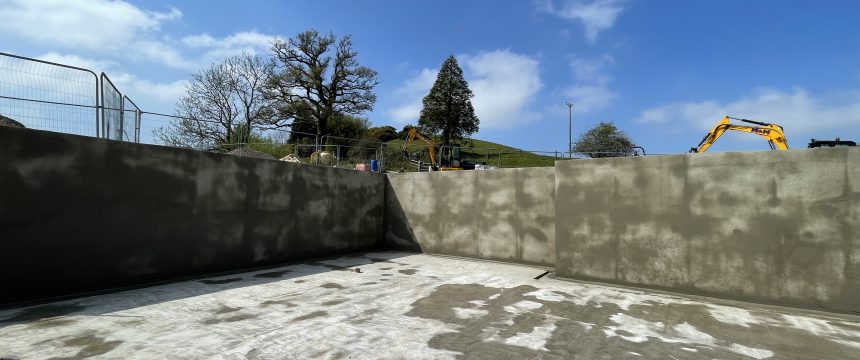
Tanking a cellar is a popular, quick, and relatively easy way to add a layer of waterproof protection to any below-ground space.
For many though, tanking a cellar could be a potentially complex and difficult task to take in hand. You have to consider the size of the basement, the materials being used, and of course, that the application of these materials onto the basement walls needs to be done completely properly, otherwise you may just exacerbate the damp issues already present.
So, if you are thinking about tanking your basement and are wondering if doing it yourself might cut down on some of the cost, here is what you need to know.
Need Help With Basement Waterproofing?
How Does Cellar Tanking Work?
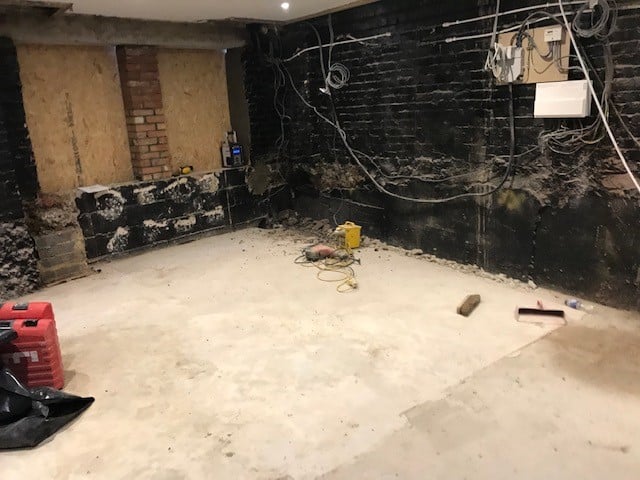
Basement tanking is one of the three methods of waterproofing approved and recognised by BS:8102:2022, the British Standards when it comes to below ground waterproofing.
Tanking is actually a colloquialism referring to Type A Waterproofing, which is the application of a waterproof slurry onto the walls, flooring, and potentially the ceiling of a basement. This slurry acts as a watertight solution, preventing any moisture from travelling through the walls, and as a result, flooding your basement.
Theoretically, this sounds like a good solution. However, you have to be aware that there are some drawbacks that could have an impact on the state of your basement.
First off, be aware of something called lateral pressure.
This is when the ground surrounding the basement takes on moisture, which causes it to swell, and press up against the walls of the basement. This obviously causes increased pressure on the basement walls, which in turn creates new cracks, new faults, and new leaks into the basement.
The point is this: whilst cellar tanking might well stem many basement leaks, if it’s installed incorrectly and not supported with another form of basement waterproofing, then it can easily fail, and leave you exposed to further leaks.
So, whilst tanking is a worthwhile and legitimate method of basement waterproofing, it does need to be supported in order for it to keep your basement dry and habitable long into the future.
Worried About Flooding in Your Basement?
What Do I Need to Do Before Tanking My Cellar?
Before you think about tanking your cellar, you are going to need to make sure you understand the application process and how to use the materials needed to get the slurry onto your walls.
So, first off, you will need to go out and buy some tanking slurry. This is the actual product used to tank the basement, and it’s sold either as a powder ready to add to water and mix into the usable slurry, or pre-mixed, ready to be applied to the walls.
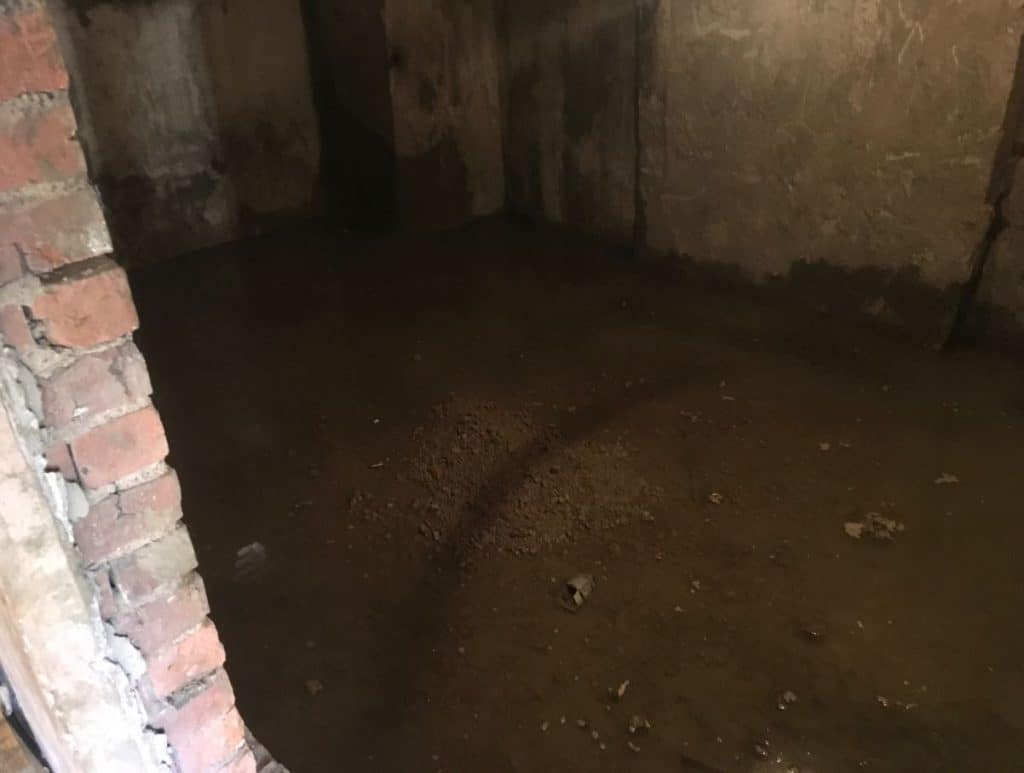
You will then need to prepare your basement. Prep work is incredibly important and is a multi step process, during which your masonry will need to be inspected.
Preparation will include removing everything on and in the basement to allow full access to the masonry and the floor. Carpets, wallpaper, plasterboard; whatever is between you, the brickwork, and the floor, needs to be removed.
You will also have to chip and hack any old plaster off of the brick, take up any carpet or hardwood flooring, underlay, and potentially strip off any old paintwork to get to the actual brickwork.
Then, you have to check on the condition of the masonry itself. Get your walls as clean, dust free, and as close as you can to pristine condition before applying even a little slurry. This includes fixing any cracks with sealant, fixing any loose brickwork, and ensuring that the mortar is in good condition.
If you aren’t sure that the brickwork is in a good, stable, and reliable state, then you are going to have to rethink the tanking work. Get in touch with a structural specialist to make sure that before anything else your property is ready to cope with basement waterproofing. This includes the discovery of loose or crumbling brickwork, subsidence, or salts in the masonry.
Before you even consider the slurry application though, you need to be aware that British Waterproofing Standards now require a below ground structure to feature two methods of waterproofing in order for it to be considered sound.
This means that aside from a tanking slurry (Type A Waterproofing), you will need to know if your property has been constructed with Type B Waterproofing in mind (waterproof materials), or if you are going to need a Type C Waterproofing System (cavity drainage) installed.
These questions can be easily be answered by a basement waterproofing expert following a survey, which you can book with our team online. However, if you are committed to carrying out the tanking yourself, you will need to make this decision yourself, as it means knowing what next steps you will need to take once the tanking is complete.
Talk to Us About Basement Care
How Do I Tank a Cellar Myself?
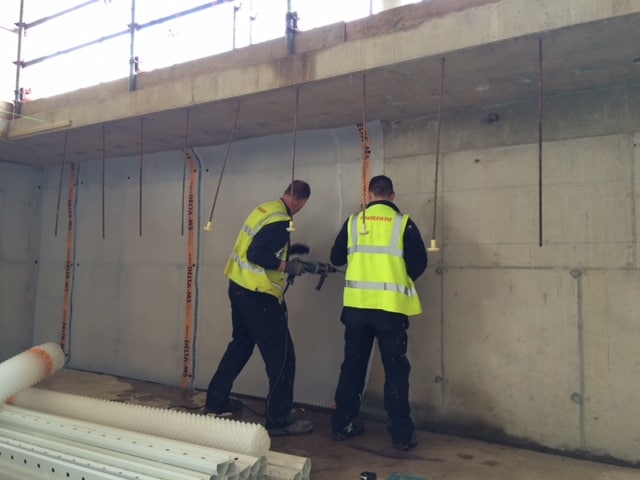
In reality, it can be quite difficult to tank a cellar by yourself, and we strongly recommend that if you are set on installing a tanking slurry in your basement, you seek professional advice before beginning.
You need to consider the proper health and safety equipment to avoid lasting damage to your eyes, skin, and lungs, the correct way to asses your masonry to ascertain if tanking is currently suitable, how to correctly apply the slurry itself, along with all the various techniques to properly waterproof connecting joints and the floor.
There is a lot to think about, and if any mistakes are made during the application then the slurry can easily crack, leading to a leak – and you are back at square one.
If you would like to speak to a basement waterproofing expert about tanking in your basement, just give us a call on 0800 288 8660, or fill in one of our online contact forms.
Arrange a Survey With Our Team
What Does it Cost to Tank a Celler Yourself?

Whilst the cost of tanking your cellar yourself might well be lower than having someone professionally secure your basement from flooding, you have to consider the amount of time, effort, and application that this project would involve.
Outside of the sheer amount of time you will have to dedicate to preparing, tanking, and then redecorating your basement once the job is done, you need to think about the next steps you will need to take.
If you need a cavity drainage system installed for example, the amount of time your basement is going to be out of action and in the midst of construction is going to be increased, and reaching out to professionals may well be a good way to cut down on the overall completion time.
Then you have to think about the longevity of the tanking itself. If your cellar is close to something like a subway, train tracks, a road, or even if the property itself is vulnerable to the likes of structural issues such as subsidence, then you may well find that the tanking becomes ineffective in certain areas, and leaks can slowly build up again.
So, by having a proper basement waterproofing survey carried out, even if you aren’t sure if you do want an expert installation, you can learn if tanking alone will be enough to protect your basement, or if further steps will need to be taken.
The cost-benefit analysis of tanking your basement on your own is obviously relevant to you, and everyones situation is different. However, weighing up cost-saving measures in the installation phase against long-term waterproofing is always going to be worth it, and potentially save you more money in the long run.
Quick and Effective Cellar Tanking
Should I Tank a Cellar Myself?
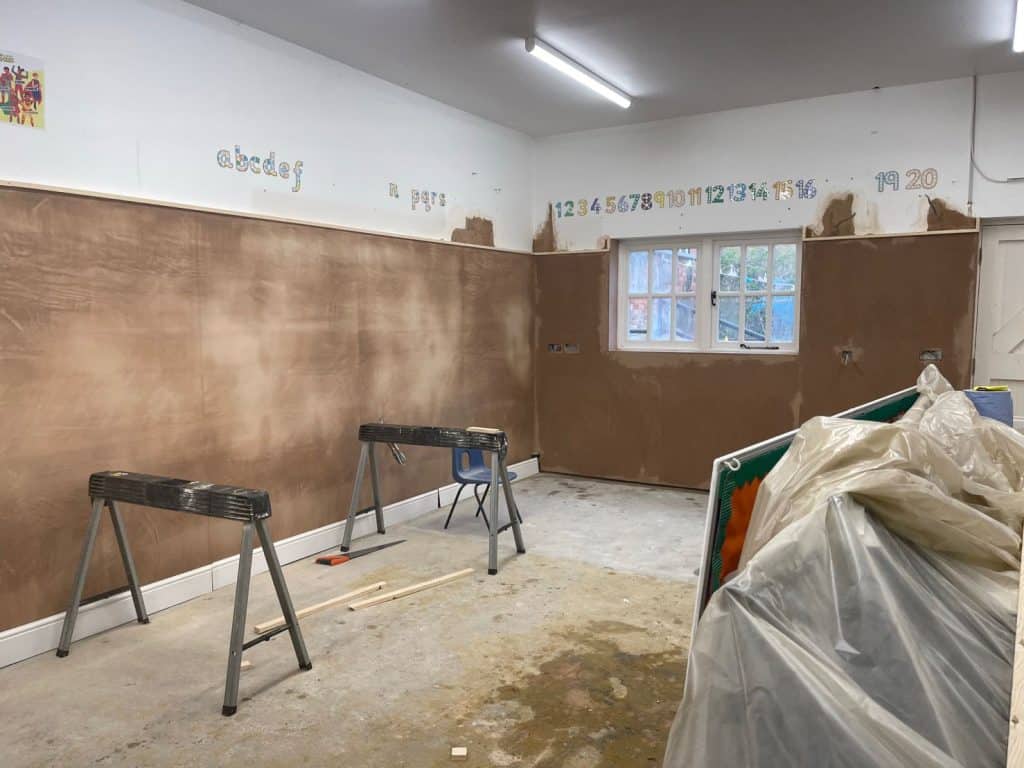
In short, we do not recommend that anyone undertake a cellar tanking job themselves.
Instead, we suggest that you look to have a professional survey your basement to see what kind of long-term solutions would be effective and go from there.
In many cases, tanking alone is not enough to safely waterproof a basement and bring it in line with British Waterproofing standards. You will likely need to also look into a cavity drainage system, and again, the installation process for this is best life to waterproofing experts.
For effective, long-lasting, and reliable basement tanking and waterproofing solutions, call Timberwise. Our team can help keep your basement flood-free and usable all year round, with quick and expert installation.
Just call 0800 288 8660, or fill in one of our forms to speak to our team.