 "
"
How Is Conveyancing Different in Scotland to England?
31 July 2024
Buying a property is one of the most stressful processes that anybody can go through – that’s just a fact. You are going to be faced with lots of exciting, but difficult decisions, and often get bogged down in plenty of paperwork and research.
What doesn’t help matters is that in Scotland and England, the conveyancing process is quite different.
If you are looking to buy a property in Scotland and have only ever owned or lived in properties in England, you would be forgiven for making mistakes like assuming steps have been missed, or even carried out when not needed.
So, how does conveyancing in Scotland differ from the process in England, and what can you expect as part of the process?
Give Us A Call For Help With Surveying
What is the Conveyancing Process in Scotland?
First off, as owners of a property, you are going to decide to put their property on the market.
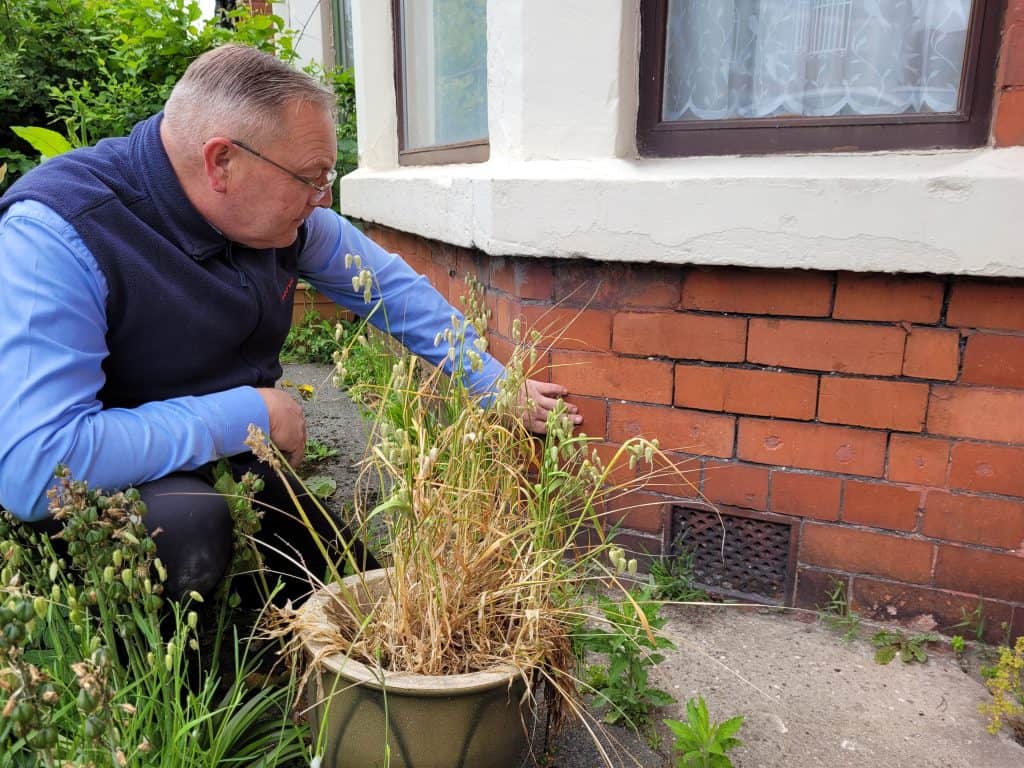
After contacting a solicitor (so that all of the relevant documents are ready and available), you are going to need to have a home survey carried out on the property so that it’s available to look through when the property is being viewed.
The home report is made up of three separate documents. One is a property questionnaire, completed by the seller, another is a survey of the property (detailing any potential issues or structural problems), and the last document is an energy report.
These last two documents are completed by a chartered surveyor, and will not need to be updated unless the property is taken off of the market for more than 28 days.
There are only a few instances in which a home report won’t be needed, though they are very specific.
It’s worth remembering that if an interested party requests a home report from a seller, and it is not produced within nine days, then the seller can be fined £500 by the council’s trading standards service.
Once the home report has been secured, you can either look into the possibility of finding an estate agent to list and sell your home (or even just sell it yourself). After that, it’s a case of waiting and having people over to view the property until an offer is made.
Need a Damp & Timber Survey?
What is the Conveyancing Process in Scotland Once an Offer has Been Made?
In Scotland, the process for having an offer made on a property follows a closed bidding system.
First, you (the seller) will have to decide on an end date, which is the point that you will want all enclosed bids sent to you by, at which time the property will be taken off of the market and you can choose the highest bid, who will then be the buyer of the property.
Obviously, if you don’t garner much interest in your home, then the end date will need to be extended, or you could extend to give more people a chance to see the property if there is plenty of interest and you think a higher bid could be possible.
You aren’t obligated to accept any offer, nor do you have to accept the highest bid. Offers often include moving in date suggestions, pricing for anything they might want in the home, and even considerations for technical conditions highlighted in the home report, such as damp or timber decay.
Once you have decided on an offer to accept, you will trade missives with the buyer. Missives are a way for your solicitor and the buyers solicitor to negotiate the conditions on which you will allow the sale to go ahead, and the buyers are happy to buy on.
Once the missives are complete, a concluding missive will be written and need to be signed. This is a binding contract between you and the buyer, and makes certain that all parties are bound to completing the sale, with no backing out past this point without penalty.
Then begins the actual conveyancing process, during which your solicitor will go through the legal process to transfer ownership from you to the buyer. Their solicitor will inspect the deeds and make sure there is nothing unusual included in the deeds, and your solicitor will also coordinate with you to make sure your remaining mortgage is paid off.
Then, the disposition will take place. This is the last step, and is a contract written up by the buyer’s solicitor to transfer ownership of your home to the buyer, and it’s usually signed just before handing over keys.
Buying a Property in Scotland?
How is the Conveyancing Process in Scotland Different to England?
There are a few steps in the Scottish home buying process that differ quite significantly from in England.
One difference is the use of a closed bidding system. Because the bids are sealed and no one knows what anybody has bid, even the sellers, until the closing date, it can be difficult to judge and submit a bid that will be accepted by the seller.
Combine this with another quite significant difference, the binding missives, and you find that ‘gazumping’, a common practise in England, is actually a near impossible manoeuvre in the Scottish home buying process.
‘Gazumping’ refers to having your offer accepted on a property, before that acceptance is retracted in favour of a higher offer from another buyer, leaving you in the lurch. Thanks to binding missives and the closed bids, once your offer is accepted and you have traded concluding missives, neither seller nor buyer can back out without invoking a serious penalty, which removes quite a lot of stress and competition through the whole conveyancing process.
Of course, there is also the home report.
In England, a home report is something that a mortgage provider will request the potential buyer attain during the conveyancing process, to make sure that it’s a worthwhile investment for them, and worth the asking price.
In Scotland however, this information is readily available, putting the onus onto the seller rather than the buyer.
This of course, comes with some positives and negatives.
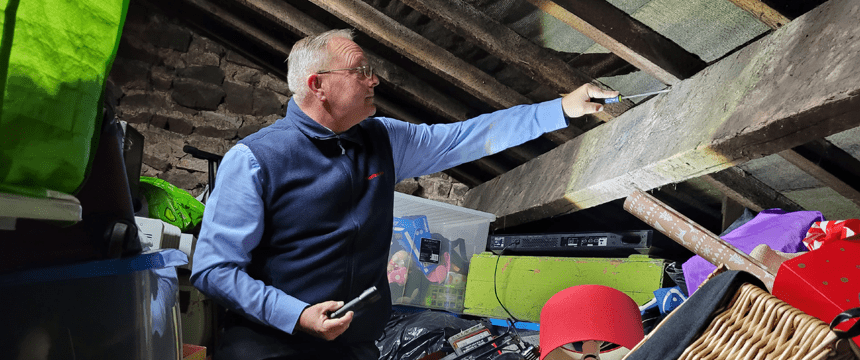
On the positive side of things, should the home report discover something like damp (for example), you can arrange to have these issues investigated further in a proper damp survey. Normally, these are delivered in the form of a report that costs out the eventual remedial works, along with a timeline, and gives you (the seller) a good idea on the cost associated with fixing the issue.
Of course, you could choose to have any problems like damp treated before putting the property on the market, meaning that when people view the property and come to make an offer, they don’t have to account for the damp.
If you choose to leave the damp though, you can always give the potential buyer the report and let them know the cost associated with remedial works to put a stop to the damp. Here is a potential negative for you (the seller), as the bargaining power is now in the hands of the buyer.
You might well receive lower bids that take into account the damp work necessary, with the bid reflecting that cost the buyer will have to spend after purchasing the property.
There are of course, many eventualities. One of these is having a home report completed, having a problem like damp identified, and then taking no further action.
In this situation, a potential buyer will see the likes of damp identified on the home report, though the detail will be lacking. The buyer won’t know how far the damp has spread, the probable cause of the damp, any associated problems that could have developed as a result, let alone any detailed information on the remedial work needed to restore the property.
A damp and timber report from Timberwise can squash those fears about the unknown extent of the damp, and give both sellers and buyers peace of mind regarding the work needed to fix the damp, as well as any associated costs and timescales.
Don’t let property care problems get in the way of the sale of your property, and make sure to book a damp and timber survey with Timberwise if your home report identifies any property care issues in the property.
Just fill in one of our online contact forms, or give us a call on 0800 288 8660 today to book a survey.