 "
"
What Are Some Common Problems in Older Homes that Can Lead to Property Care Issues?
30 September 2024
Owning a home can be a handful – there’s a lot to think about and sometimes the DIY projects can stack up and you might be lost on where and when to start.
So, to help you understand what problems might need to take priority on a list of fixes, we have put together a list of common issues in older homes that can lead to property care issues like damp, woodworm, timber rot and more if they are ignored.
Need Help With an Older Property?
Old Plumbing
Making sure that a properties plumbing is up to scratch is vital, and whilst you can pay for specialist surveys when purchasing a home to check on the quality of the plumbing within, you should always be aware that within older properties the chances that the pipes will need attention only goes up every day.
So, making sure that your plumbing is up to scratch is a must.
Professionals recommend having the plumbing system in a property inspected every two years, and this is a good timeline to stick to – that is, unless you suspect there is a problem.
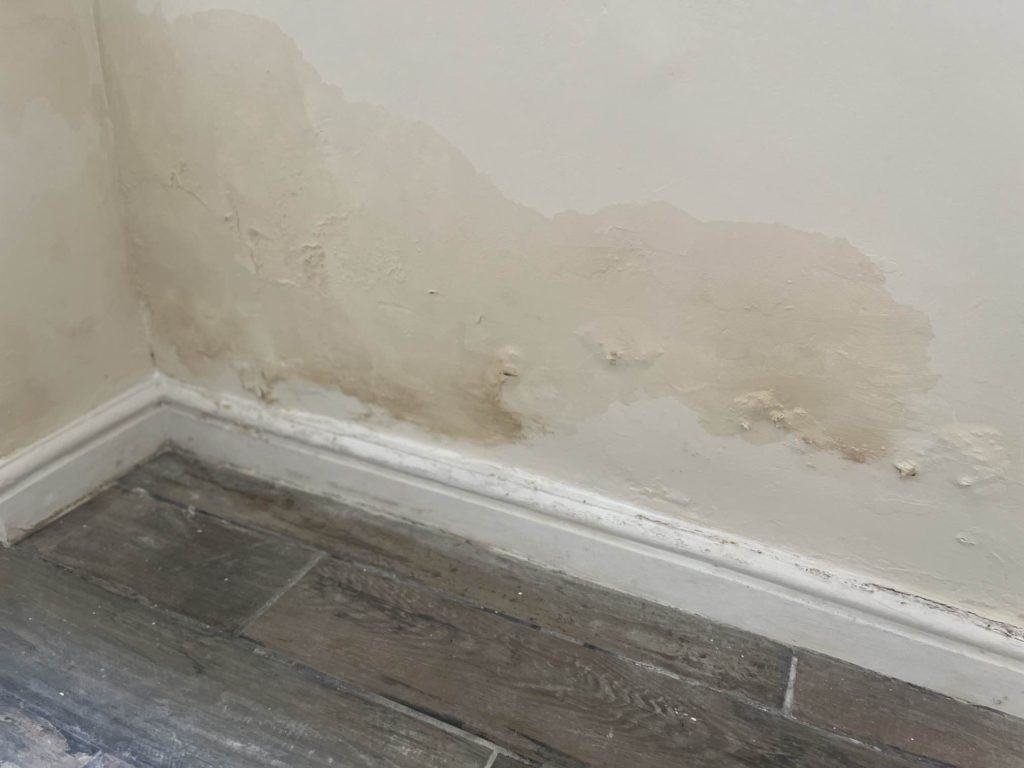
Making sure that your properties plumbing is up to scratch is a good way to remain sure that in the future you aren’t going to encounter any burst pipes or leaks, which in turn can lead to nasty cases of penetrating damp, dry rot, and wet rot.
In fact, many cases of both dry and wet rot start out because a pipe, either within the cavity of a wall or under floorboards, has burst or sprung a small leak at a seam. In any event, this moisture is going to build up over time, providing the perfect place for dry and wet rot fungal spores to land and begin their growth, ruining timber in areas that you might not ever see unless you had a need to lift up the carpet, underlay, and then the floorboard.
Over time, the dry or wet rot fungus will spread, ruining more and more timber in the property until you do notice it – usually at the point it has taken over a skirting board, or another feature you might see more commonly.
Basically, by the time you notice it, the rot has already spread and the problem is much larger than you may have anticipated.
By making sure your plumbing is in a good condition routinely, you can avoid an expensive repair bill in the long run.
Suspect a Leak has Led to Rot Problems?
Deteriorating Roof
Any properties roof is important, and that only gets more true with time. When it comes to older properties though, it can be the case that the roof has fallen into disrepair over the years, and depending on when the property was originally built there may well be a need for either minor or major repair works.
This is especially true here in the UK, where when we talk about ‘older’ properties, we could be talking about a building built in the 1920’s, a hundred years before that, or even older still. All of these properties will have gone through various owners, and the repairs to them can range from a new roof installed as soon as a few months before you bought the property, to never touched in the properties entire lifespan.
So, having the condition of your properties roof checked is a good step to swerve some of the longer term and more expensive problems that can stem from a leaky roof.
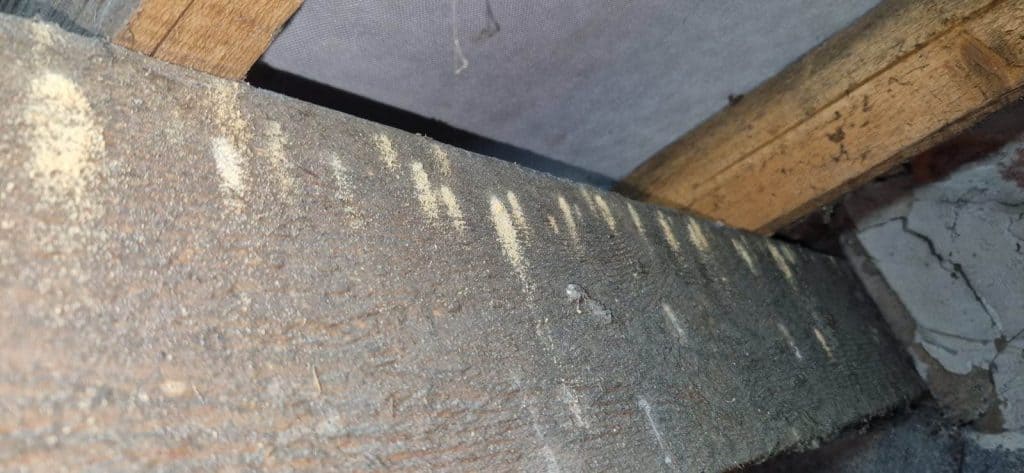
First off, you can expect that a roof leak can quite easily lead to wet and dry rot in any timber beams you might have in your loft, alongside an unhealthy dose of damp in any walls within the loft space as well.
This isn’t a possibility, more of an eventuality that will come along with a dilapidated roof, and you can easily add the cost of replacement timber in the form of roofing eaves to your bill – even if the problem was initially just a few loose or broken tiles.
Professionals recommend that you have a roof inspection carried out once every year, or at least once every two years. Its also recommended to time these inspections as well, so that any damage done throughout the winter can be accounted for.
Staying on top of the condition of your roof can be a massive saver when it comes to repair costs, and the best time to start a healthy routine of keeping it in good condition and avoiding problems like wet rot is right now.
For Expert Advice Talk To Our Team
Single Pane Windows
Single-pane windows are, on their own, not an actual problem in a property. In fact, there are many people throughout the UK who might even consider certain single-pane windows as selling factors when they are looking for a new place to live, simply because many single-pane windows are original features and can look really nice.
However, once the cold weather rolls around you are going to find that those same single-pane windows aren’t going to do you a lot of good as far as thermal retention is concerned.
You are going to lose a lot of heat through improperly sealed or insulated windows, and a single-pane window from the likes of 1920 is going to be nowhere near as thermally effective as a modern, double-glazed equivalent.
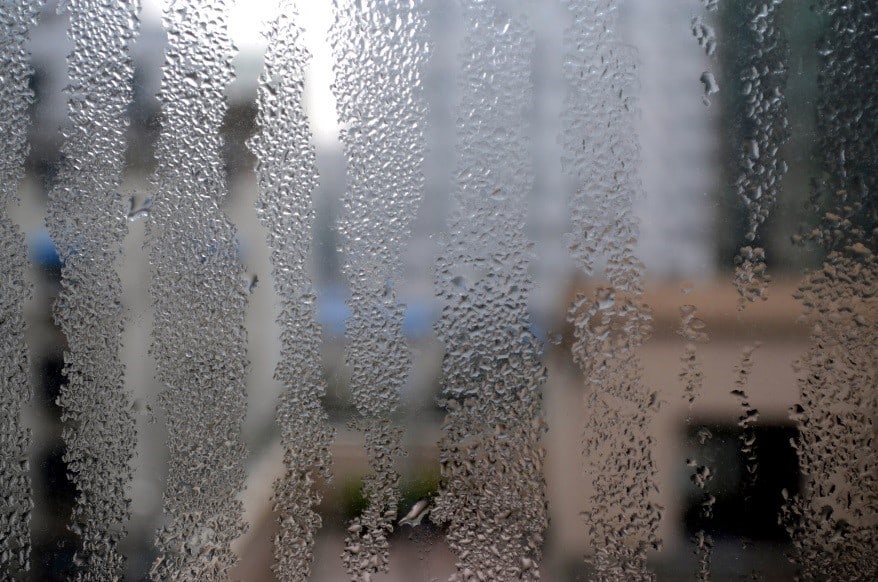
All of this leads to the big problem that’s going to flare up once your heating goes on in the cold: condensation.
Condensation is one of the most common property care problems in the UK, and we can safely say that we speak to hundreds of customers every year struggling to control the level of condensation in their property.
Because condensation tends to build up on areas where warm, moist air comes into contact with cold surfaces, single-pane windows are a hotbed (or coldbed) of condensation build up.
This usually leads to condensation-based damp setting in around the window, the window frame suffering from damage as well (commonly dry or wet rot if the frame is timber), and the eventual build-up of black mould on and around the window itself.
Think about replacing single pane windows with a double-glazed alternative – this might be costly in the short term, but in the long term its going to save you money on heating, help reduce condensation build-up, and combat the growth of black mould throughout your property.
Speaking of condensation, be mindful of your air vents. Air vents are often misunderstood, and previous owners of older properties may well have taken to stuffing them up to stop drafts, when really those same vents provide a vital airflow to help reduce condensation throughout the property.
If You Need Help With Ventilation
The Properties Exterior Timber is Weathered
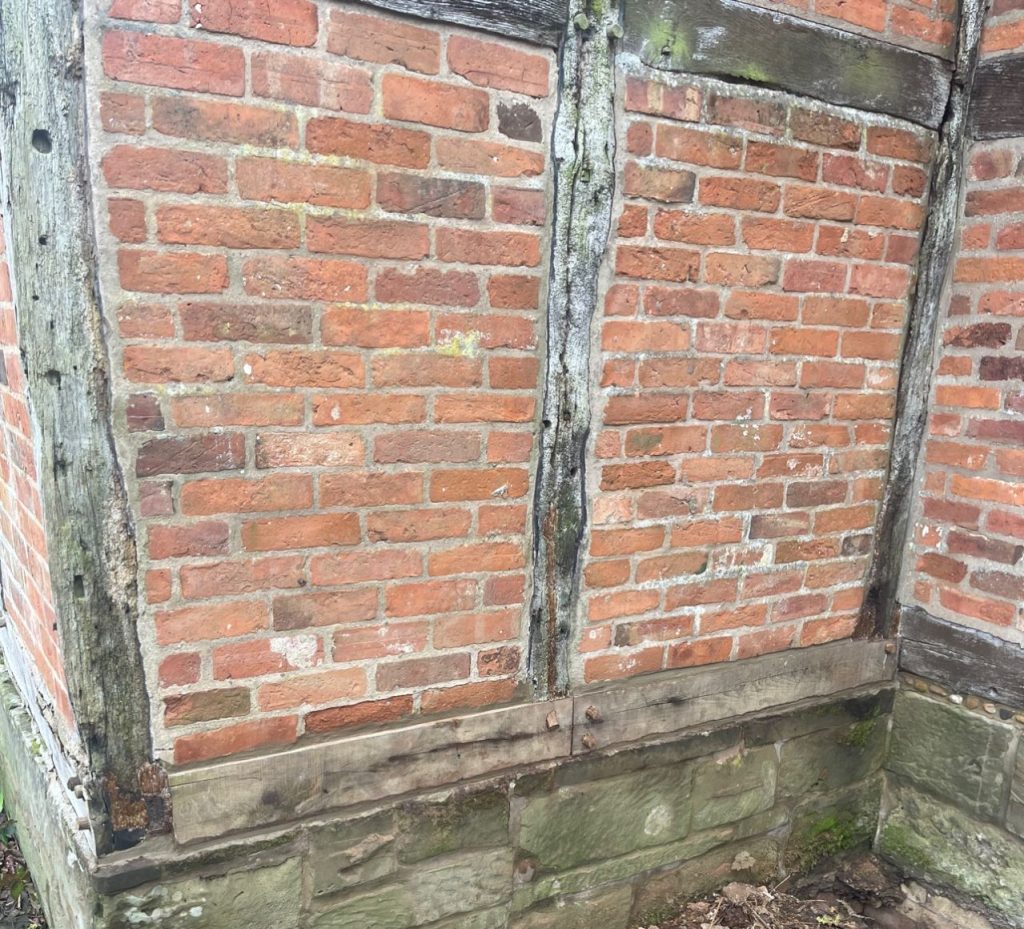
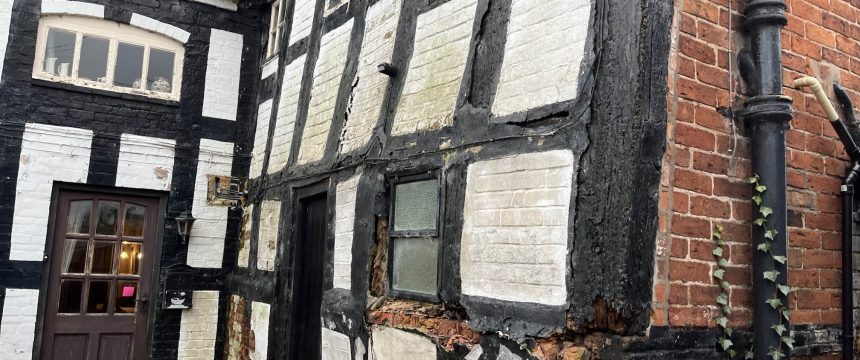
Any older property that has exterior-facing timber is going to be at severe risk of weathering, and once any protection in place has been eroded away, that same timber is going to be vulnerable to all kinds of issues, including the likes of wet rot, dry rot, and woodworm.
If the timber on the exterior of your property is purely for aesthetics, then you might be tempted to let it go to ruin as you might think that in the long term, it isn’t going to do any damage to the actual structure of your home.
This assumption would be wrong.
What problems like timber rot and woodworm have in common is their ability to spread. Woodworm obviously are able to fly, and once they have emerged from your timber they can and will fly to nearby timber to continue their reproduction cycle – this often means that they will just jump to the nearest available timber, which is often in your property anyway,
When it comes to dry and wet rot, we are talking about a fungus. This means that it spreads by releasing spores, which travel through the air before landing on other timber, taking root, growing and releasing further spores.
All of this is to say that any timber near or on your property which has become a home to woodworm, or the breeding ground for timber rot, is going to endanger the entire rest of your property.
We would recommend that to keep on top of any timber issues you have you have a timber inspection.
For Timber Restoration and Repair
Damaged Floorboards in the Bathroom
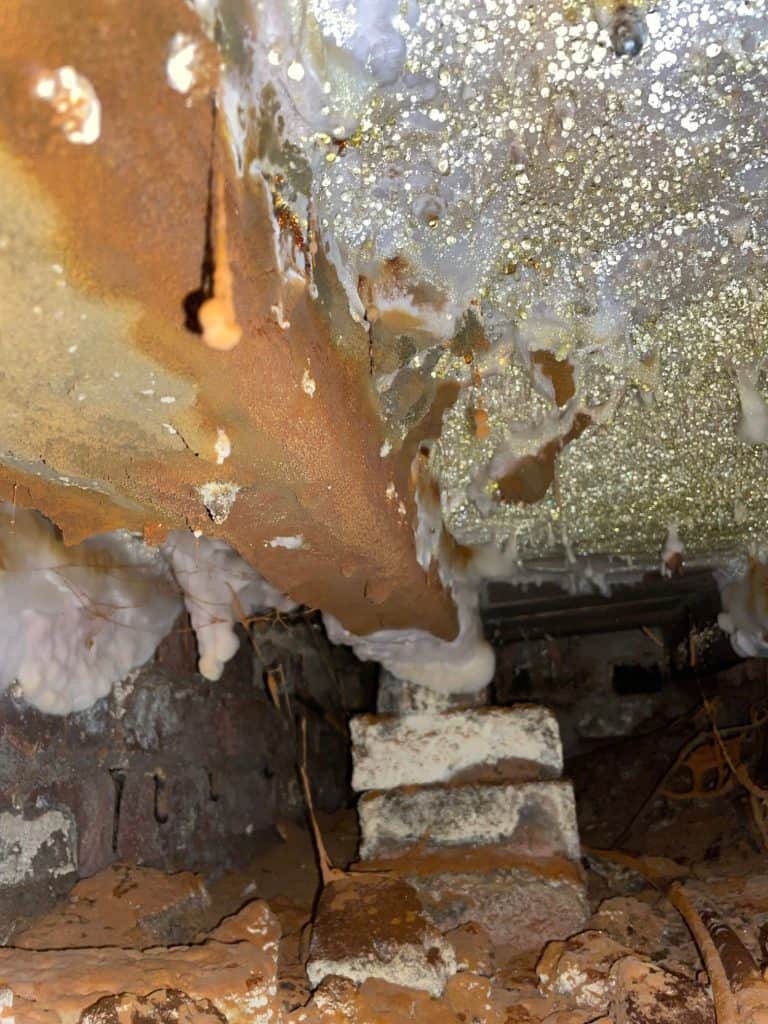
The bathroom is, for obvious reasons, quite prone to the long-term effects of condensation, dry rot, and wet rot. What is worth remembering in older properties though is that the bathroom you inherit when you buy an older property could have been installed incorrectly, and underneath the tiles, laminate, or whatever is on the floor, could well be an infestation of dry or wet rot.
Leaky pipes are one thing, but a broken bath or shower is another, as is a resident who isn’t careful getting in or out of the bath, or splashing everywhere during a shower.
There are a lot of factors in play, and if the bath or shower unit hasn’t been sealed correctly (as is often the case) you might one day come to refurbish the bathroom only to find that under those tiles is an extensive case of dry rot.
What you should also consider though is that this damage might not be limited to the bathroom floorboards. You might find that if the floorboards are in a bad condition, water damage can trickle down and start to effect the ceiling of whatever room is underneath the bathroom.
Making sure that the bathroom is in a good condition should be a priority for you, and could well form part of the plumbing check that happens once every two years.
If, however, you have found that despite your best efforts a property care issue has arisen in your home, then don’t hesitate to get in touch with our team to arrange a survey.
We are able to help identify, treat, and restore your property after the likes of damp, dry rot, wet rot, woodworm, or any other property care related problem has been present, all you need to do is give us a call, or fill in one of our online contact forms.