 "
"
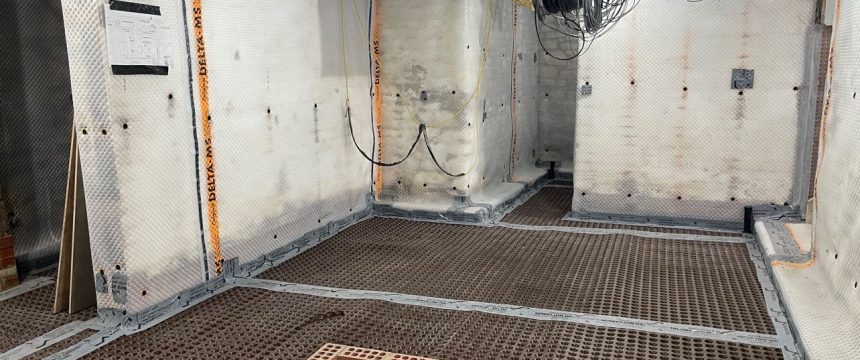
Why Does My Basement Smell Musty?
26 September 2024
Your basement should be a space you can maximise the potential of, so discovering that it’s giving off a musty smell is always going to be a nasty surprise – one that might turn you off from actually using your basement.
So, if you have noticed a musty smell in your basement how can you put a stop to it, and make sure that the same musty smell doesn’t return in the future?
Questions About Strange Smells in Your Basement?
Why Does My Basement Smell Musty?
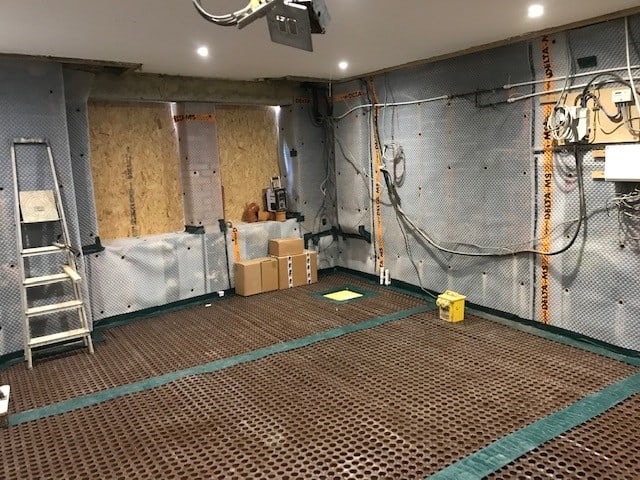
Simply put, a musty smell in a basement is down to the growth of mildew and mould, which is in turn a result of high humidity levels and condensation.
That’s the main reason that a basement smells musty – it’s the signature scent of black mould and the spores that the mould releases to facilitate its growth and spread through any space.
Until the mould is cleaned away properly the scent is going to persist, and until the cause of the mould growth is addressed, your basement is going to be at risk of just developing more black mould in the future, and the same musty smell returning.
To help you get a grip on your basement, and make sure that you are getting the most from your property, below you can find some of the main reasons that basements develop these mould-related issues, and the best way to put a lasting stop to them returning over and over again.
Need Help With Condensation in Your Basement?
What Are the Top Reasons a Basement Develops a Musty Smell?
Lack of Ventilation
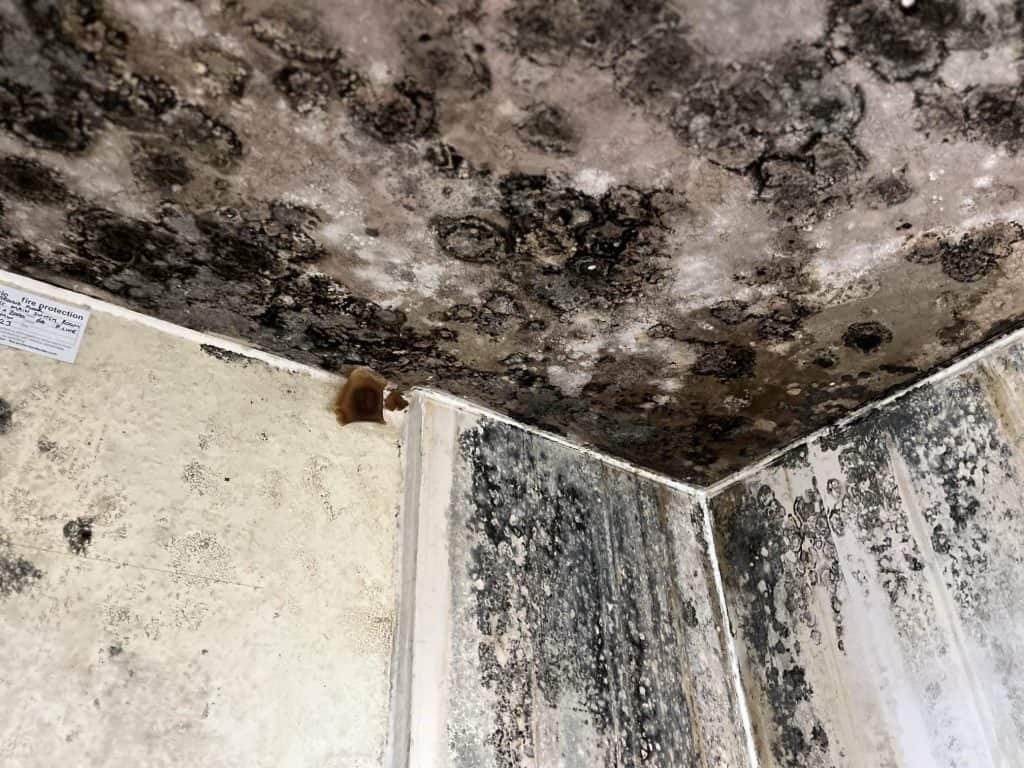
Plenty of basements in the UK have been constructed without adequate ventilation installed for one reason or another. This is especially common in older properties, when the need for proper air circulation may not have been fully understood, and the impact of condensation not considered in the construction of properties.
When humidity levels rise in a basement, especially when the weather begins to cool or if the basement is in regular use, you are going to find that the same humidity being created turns into condensation if the basement isn’t given adequate ventilation.
All this means is that once the humid air comes into contact with a cooler surface, like a wall or a ceiling, that humid air is going to revert back into its liquid form, and turn into condensation. Over time this can develop into a damp problem, which gives black mould spores the perfect place to land and grow, allowing the spread of the black mould which gives off the recognisable musty smell.
A lack of ventilation is one of the major reasons that basements develop black mould, and introducing new airflow into the below ground space is a sure fire way to control condensation and put a stopper to the growth of black mould.
By looking into options such as extractor fans, additional air vents, or even a positive pressure system, you can generate a healthy airflow that prevents condensation and removes the conditions that make for ideal black mould growth conditions.
For Expert Advice Talk To Our Team
Leaks and Flooding
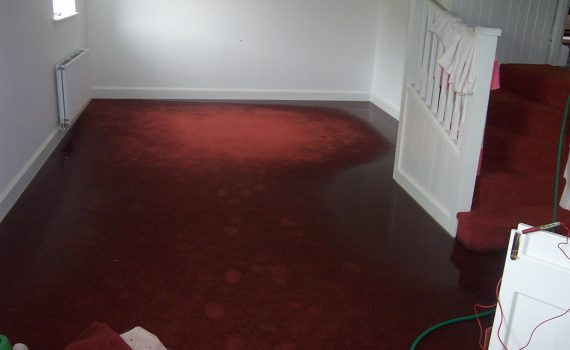
A leak in a basement is always a pain, and it might not be what you’re expecting when you picture the word ‘leak’ or ‘flood’ in a basement.
You would be forgiven for immediately thinking about the image of a basement with two feet of water standing, and of course this is a real possibility – but it isn’t the most common kind of flooding we deal with, and it’s not the main cause of basement problems.
Instead, think about smaller leaks in your basement, through smaller cracks or other defects in the basement’s construction. Over time, these small, continual leaks can cause a real problem.
First off, obviously any small leak will, over time, cause the crack or defect to get bigger, exacerbating the problem, and seeing the intensity of the leak compound over time. That’s the obvious, immediate, and easily identifiable impact of a smaller leak in a basement, but the real damage is much more long-term.
First off, these kind of leaks often lead to the onset of damp in the basement. Not only is this probably going to ruin anything like plaster or wallpaper attached to the wall, it’s going to damage the masonry itself, and over time it could leave the actual basement structure vulnerable.
Damp aside, the additional moisture in the basement is going to worsen any of the condensation problems you already have, because any leak means more moisture that will turn into humid air, and eventually into condensation.
So, the answer is to make sure that your basement has adequate waterproofing.
This can be done in a few different ways, and if you are unsure of what waterproofing measures your basement currently has, you can always request a survey with one of our waterproofing experts to see what solution might fit your basement best.
Once a proper waterproofing system is in place, either tanking, or a cavity drainage system (or a combination of both), you can start thinking about cleaning up the black mould that has grown, and stop that musty smell from making your basement an unpleasant place to be.
For Help With Tanking In Your Property
How Can I Stop a Musty Smell in My Basement?

As we mentioned before, until the actual damp and condensation issues are dealt with, the black mould is likely to return time and time again, even if you do clean it.
However, once you have dealt with the cause of the black mould, you should think about cleaning it safe in the knowledge that it wont return.
First, replace any surfaces that the black mould has ruined. This could include things like plasterboard, wallpaper, or carpet, as depending on the level of damage it can be difficult to restore them.
Then, you need to think about how to clean black mould off of surfaces, like painted walls or PVC.
First off, you will need a product like a black mould removal kit to help you. Within these kits you will find a cleaning spray, as well as a disinfectant to discourage further growth after you are done cleaning.
Then, it’s a simple case of scrubbing. Apply the black mould cleaning spray as described in the product instructions, and scrub your surfaces until the black mould blotches have disappeared, and then apply the disinfectant.
Once you are finished, and your basement has had a chance to air itself out a bit, that musty smell you were noticing should start to dissipate, leaving your basement usable and pleasant once more.
If you need any help with condensation building up in your basement, you can talk to our team about basement waterproofing and condensation control solutions. Just call 0800 288 8660, or fill in one of our online contact forms for more information.