 "
"
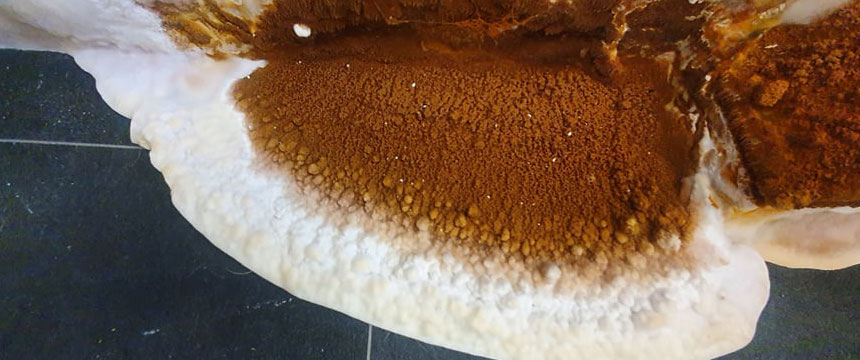
Can Heat Affect Wood Rot?
28 June 2024
When it comes to property care there is no off-season, but that doesn’t mean that some people won’t be concerned about how the weather at that moment could be affecting their property.
So, if you are looking to learn if high temperatures act as a catalyst for wood rot, then hopefully this article will help.
Need Help With Wet or Dry Rot?
What is Wood Rot?
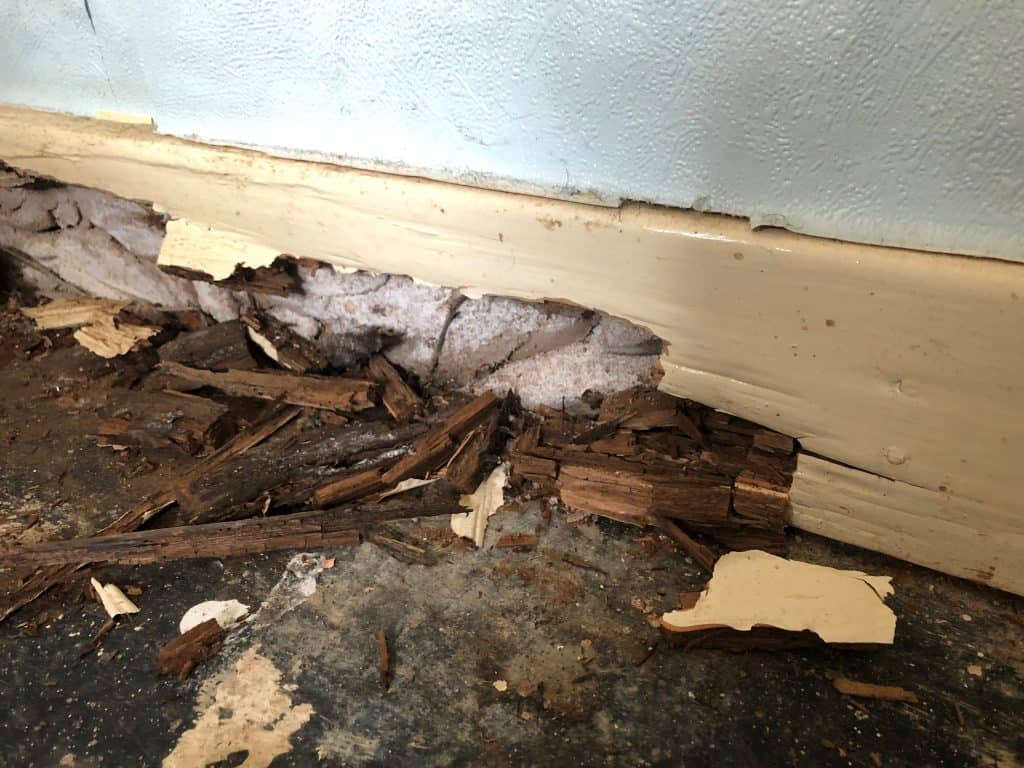
Wood rot is actually a catch all term, applied to all different types of rot that might grow within timber.
The two main forms of rot that affect properties throughout the UK are dry rot and wet rot. Both of these types of rot are actually forms of fungus, which grow on timber and ruin it as they spread.
Now, despite their name, both wet rot and dry rot appear and spread through timber due to excess levels of moisture within the timber itself. Dry rot prefers timber with a moisture level of about 30%, whereas wet rot spreads in timber with a moisture level of around 50%, or higher.
Basically, if your timber is retaining or exposed to more moisture than it should be, it runs the risk of rot. Your timber can be exposed to this moisture in a number of ways, issues like damp and condensation can pose a risk, but so can leaks, exposed weathering, or even lapsed staining.
You can look more into the differences between dry rot and wet rot on our website, as well as learn more about how dry rot and wet rot progress over time.
The bottom line is that is commonly known as wood rot is actually often two distinct types of fungus, and as living organisms, the temperature can very much have an effect on their behaviour and growth habits.
Worried About Your Timber?
Can Heat Affect Dry Rot?
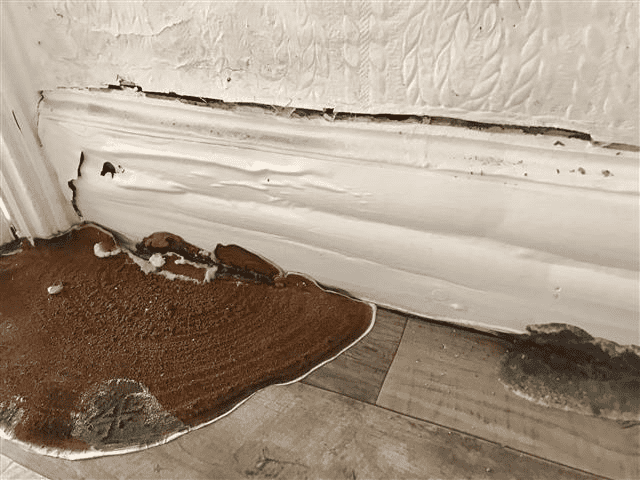
Dry rot requires a stable temperature for optimum growth, so yes, heat can indeed effect dry rot. Dry rot grows best at around 22ºC, but it can still grow at temperatures as low as around 3ºC (variations around these temperatures have occurred), so if it is warm in the country and temperatures sit around that 22ºC mark, you might notice that dry rot begins to grow and spread a little quicker than previously.
Of course, if the temperature gets warmer you may well see the dry rot spread slow down again.
The bigger question is how heat could potentially impact the timber the dry rot is growing on.
If it’s a warm summer when rainfall is low for example, there is every chance that some timber that was getting sodden thanks to a leak or damp due to the rain is going to dry out, causing the timber to suddenly become uninhabitable to the dry rot.
Or, if the heat routinely dries out timber that is exposed to an intermittent leak, the likelihood of dry rot spreading quickly is lowered, but not entirely eliminated, because the rot’s food source has been eliminated.
Talk to Us About Wet or Dry Rot
Can Heat Kill Dry Rot?
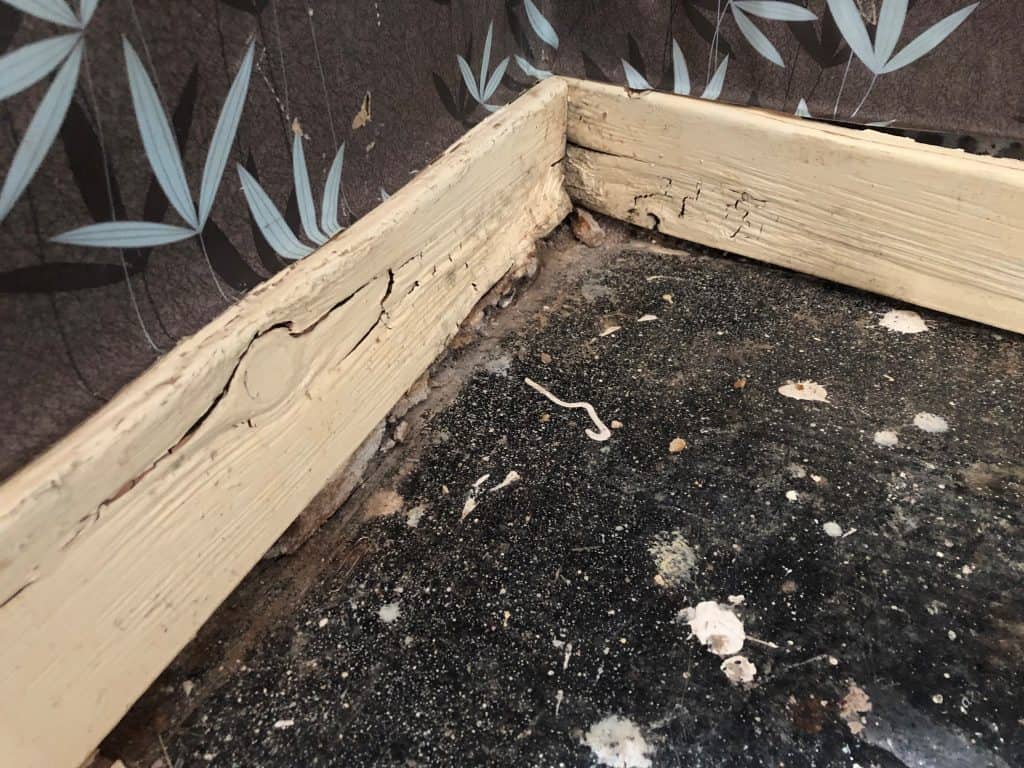
With dry rot being a living organism like any mushroom, its fair to assume that a temperature outside of its comfortable growing range would kill it off. This is true – high temperatures can kill dry rot, but those temperatures might not exist in the UK.
A sustained temperature of 40ºC has been shown to kill off dry rot in around fifteen minutes, but here in the UK those temperatures are only really going to be achieved with the use of a heat gun.
Our Team Can Help with Timber Repair
Can Heat Affect Wet Rot?
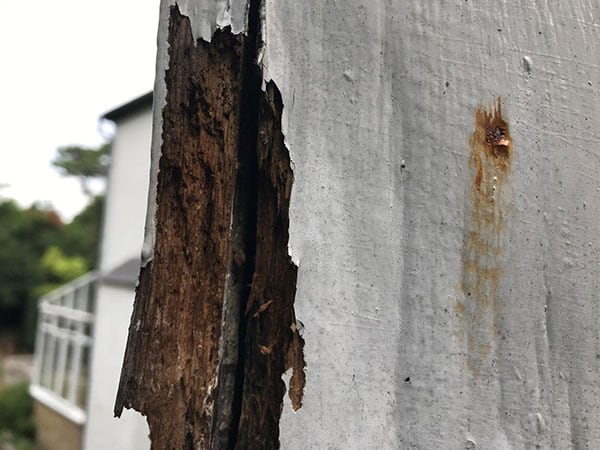
Just like dry rot, wet rot is a fungus that feeds itself on the nutrients found in your property’s timber, though it is attracted to timber with a higher moisture content than what attracts dry rot.
Typically, this means that wet rot grows in conditions made possible via a defect or failure in a property. Commonly this means a burst pipe, an improperly sealed shower, or a blocked drain – these kinds of problems allow for a significant build-up of moisture within the connected timber.
So, whilst the heat might affect conditions that would typically influence the growth of dry rot naturally (like rainy weather for example), you will normally need to address the defects that have allowed the wet rot to grow in the timber itself, fixing leaks or resealing the timber itself before moving on to the wet rot treatment and timber repair stage.
Don't Let Rot Ruin Your Timber
Can Heat Kill Wet Rot?
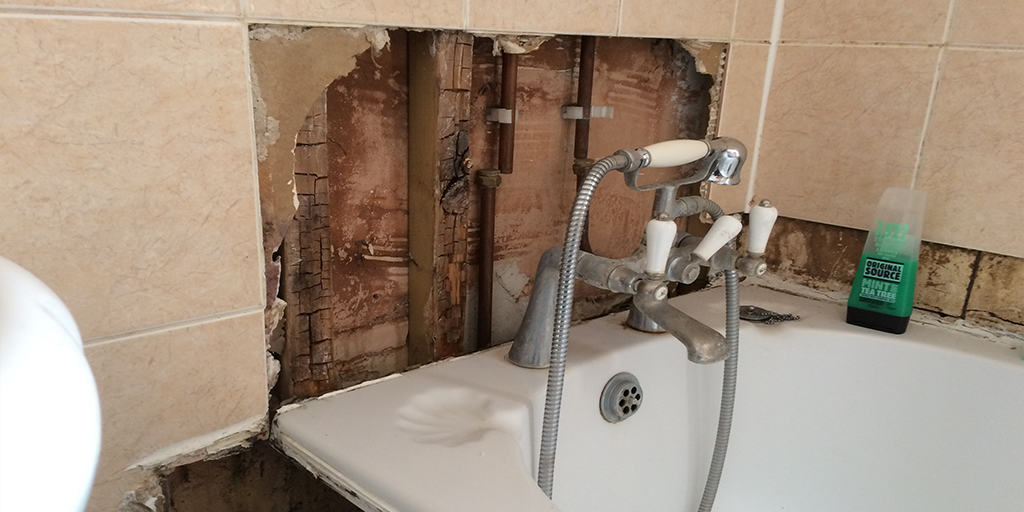
However, wet rot is much more hardy than dry rot. In fact, it can withstand temperatures of up to around 60ºC, a temperature not normally achieved in the UK naturally, so there is very little chance of the temperature affecting wet rot.
Plus, because of the conditions which usually facilitate wet rot growth, a higher temperature is unlikely to impact the environment enough in any way to stop wet rot from growing or spreading.
Basically, heat will have little to no effect on wet rot at all.
How Can I Stop Dry Rot and Wet Rot from Spreading in my Timber?

Dry rot and wet rot are both big problems when it comes to timber care, and the best way to make sure they don’t ruin your timber completely is to engage with the services of PCA accredited timber care professionals rather than rely on the temperature.
Our team can provide a complete dry or wet rot treatment in your property, as well as repair and replace the affected timber.
All you need to do if you suspect rot in your timber, or are struggling to keep it managed, just give us a call or fill in one of our online contact forms.