 "
"
Can a Dehumidifier Stop Timber Rot?
23 July 2024
Rot in timber is never a pleasant thing to find, and once discovered it’s probably going to remain a priority for you until it’s resolved and the timber is restored to a safe state. The problem is that some people choose not to seek out professional timber treatment and instead rely on home remedies to resolve the timber rot.
One of the ways people might choose to deal with rot in their timber is with the use of a dehumidifier – but this might not be as effective as hoped.
Need Help With Dry or Wet Rot?
Why Does Timber Develop Rot?
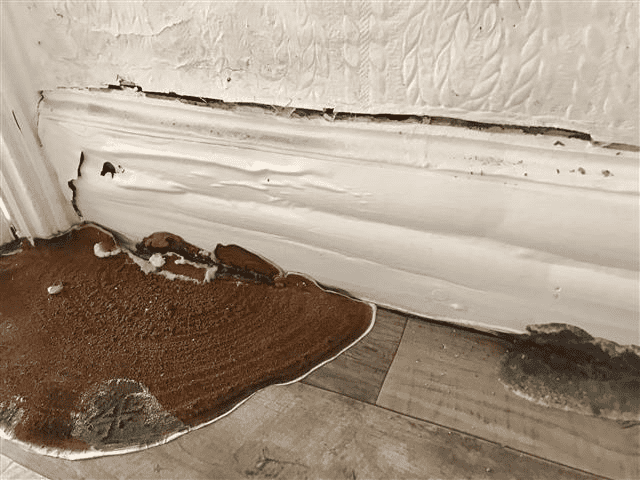
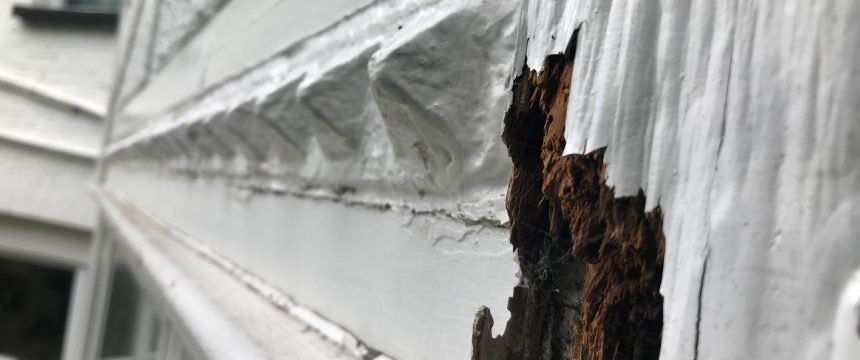
The first thing to understand about rot in timber is that it is a fungus, a living organism that requires specific conditions in order for it to grow and spread. In the UK the two most encountered forms of rot are wet rot and dry rot.
You should not however, be fooled by the name. Both wet rot and dry rot are found in timber that has been overexposed to moisture and now harbours a higher than average moisture level.
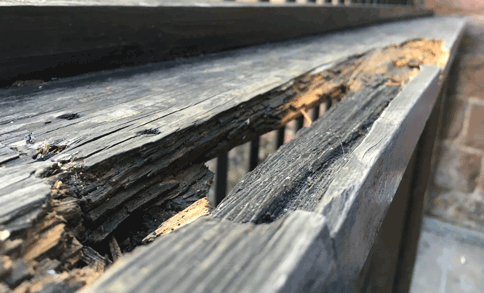
Dry rot tends to grow in timber that has a moisture level of around 30%, and wet rot grows in timber with a moisture level of over 50%. Both types of rot are a pain to discover, and if left unchecked they can easily spread through and ruin your timber completely, leaving it brittle and structurally unsound.
The root cause of both of these kinds of rot though is moisture, spreading within the timber where it shouldn’t be. Until this source of moisture has been taken care of, its more than likely that any remedial work done to the timber in question is going to have no effect.
That’s because the moisture within the timber acts as the nutritional source for both wet and dry rot, with the rot fungus feeding on this moisture in order to grow and spread – drying out and ruining your timber in the process.
Once the rot fungus has established itself, it will enter its fruiting cycle. This is where the rot develops its fruiting body, which in turn releases thousands of spores into the air to travel and come to rest on nearby timber, which will in turn continue the spread and growth of the rot.
Worried About Timber Decay in Your Property?
Why Do People Use Dehumidifiers to Try and Treat Timber Rot?
As previously mentioned, the main cause of both wet and dry rot in timber is an excess level of moisture. After learning this there are many people who marry up the idea of too much moisture, and a device like a dehumidifier which is designed to remove moisture from its environment.
This however, is not an idea that is going to work.
First off, a dehumidifier is not designed to dry objects, only the air in the space that it occupies. The dehumidifier will suck in the surrounding air via a fan, which then passes over specialised absorbent cooling rods, or an absorbent fabric.
These absorbent surfaces are designed to soak up the moisture present in the air, before the air is blown back out of the dehumidifier. An everyday dehumidifier designed for use in your home is not going to be capable of extracting the high levels of humidity present in timber that allow for the dry and wet rot spores to grow.
So, if a dehumidifier isn’t going to help you dry off your timber, what will?
Talk to Us About Timber Care
Why Won’t My Dehumidifier Dry my Timber?
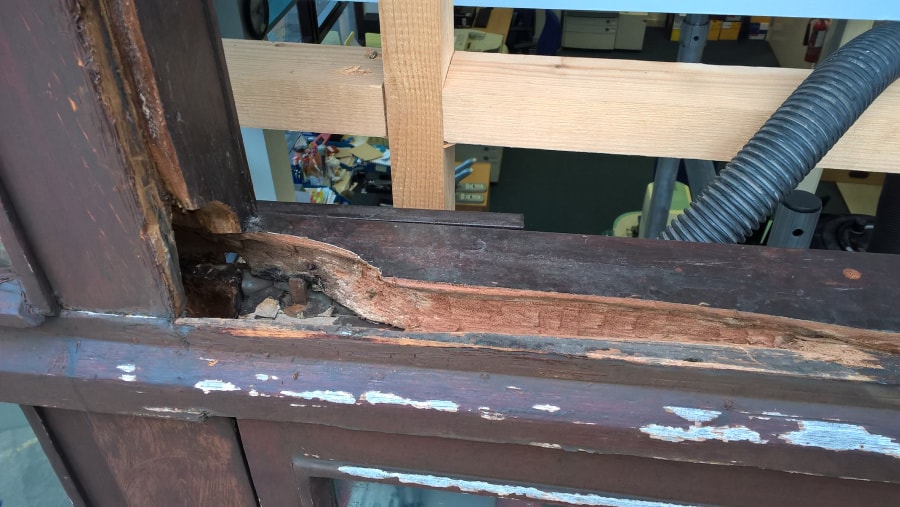
If your timber is routinely absorbing moisture to the extent that it is facilitating the growth of wet or dry rot, the chances are that the timber already has a defect which is allowing moisture in.
In the case of dry rot it may well be something smaller, like the timber being positioned over where damp is appearing in a property, or maybe even the sealant on the timber being ineffective. Until the cause of moisture ingress has been discovered and rectified the chances are that trying to dry the timber out is going to have little to no effect.
In fact, even removing the timber, actually allowing it to dry out and then replacing it won’t work – the timber is only going to take on more water once it is reattached to its position within the property, making the whole process moot.
As previously mentioned, dehumidifiers are not designed to dry out objects, simply the air surrounding the dehumidifier. So, even if a dehumidifier was placed next to a sodden piece of timber the chances are that it would have little to no effect on the moisture content within the timber itself.
Arrange a Survey With Our Team
Will a Dehumidifier Stop the Spread of Wood Rot?
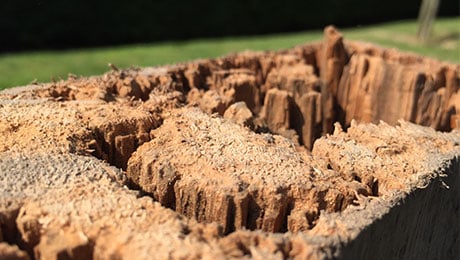
In short, no. If anything it can make things worse.
We have talked about how a dehumidifier works, by sucking in air, absorbing the moisture in the air, and then blowing it back out.
Well, think about that in conjunction with how both dry and wet rot spread. If the tiny fungal spores that rot releases were to be sucked into a dehumidifier you will be faced with one of two possibilities.
The first is the rot spores will be trapped with the rest of the moisture within the dehumidifier, which could lead to some spores sprouting and rot or mould growing within the dehumidifier itself.
The other possibility is that the rot spores will pass through and be blown out of the dehumidifier potentially further than they may have travelled without the assistance of the dehumidifier blowing them out and away.
We cannot recommend the use of a dehumidifier when it comes to the treatment of either wet or dry rot. Instead, we strongly suggest you book a survey with a member of our team. Our surveyors can get to the bottom of any wet or dry rot growth in your property, identifying not only the cause and source of the rot, but also putting forward a path to have the rot properly treated so that it doesn’t return, and bringing your property back into a good quality condition.
Just call 0800 288 8660, or fill in one of our online contact forms to book a survey today.